 VitalityFeb 27, 20258 min read
In 2018, I convinced myself my hormones were out of whack. Acne and unusual tiredness are supposedly tell-tale signs that yourhormone levels are off—I had both. So, I scheduled an appointment with my physician and asked him to test my hormone levels.
A quick blood draw revealed that my androgens, a group of hormones produced by the adrenal gland and the ovaries in women and testicles in men (testosterone is the primary androgen), were elevated (and likely causing my skin to flare up).
My doctorsaid my hormones were imbalanced andprescribed me spironolactone, an anti-androgen medication that’s commonly prescribed to treat acne. He sent me on my way. But I hated the drug—it made me feel light-headed and dizzy. I later learned that if you have naturally low blood pressure, the drug could lead to faintness and dizziness.
So, after a follow-up convo with my doctor, I stopped taking it and started investigating natural ways to balance my hormones.
According to internet strangers, I could cure my hormonal imbalance by drinking spearmint tea and snacking on ginger. When I asked my doctor for his two cents, he told me this advice was bogus. And even though I was desperate for some type of natural cure that could level out my hormones, I knew—deep down—these solutions were probably (read: definitely) too good to be true.
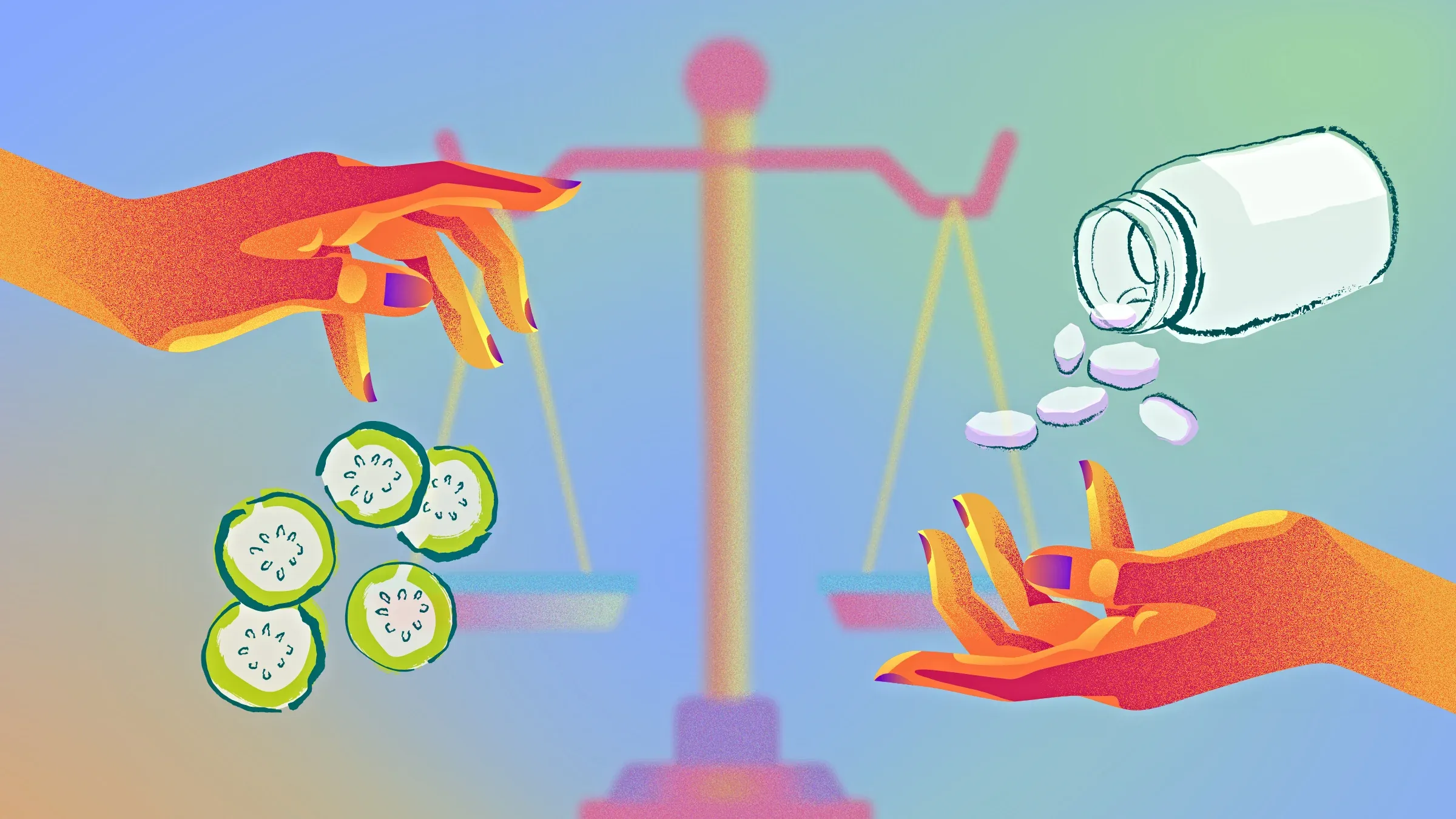
The experts I interviewed for this story summed up hormone balancing in a few words: a trend that claims you can perfect the amount of hormones in your body through holistic lifestyle changes like tweaking your diet or taking a supplement. “It’s mostly pseudoscience,” saysDr. Amy Voedisch, a gynecologist at Stanford Medicine. Here’s why attempting to balance your hormones with food is, frankly, complete nonsense.
It’s well-established thathormonesplay an important role in manybody functions, including sleep, energy levels, digestion, and mood. As such, if you have an imbalance—which is officially diagnosed with a blood test—many aspects of your health can feel off.
People with thyroid abnormalities, for example, may feel too hot or too cold, constipated, or anxious and jittery. And those with polycystic ovarian syndrome (PCOS) may feel lethargic or sluggish.
Historically, doctors have hesitated to treat hormonal imbalances, saysAllison Childress, a registered dietitian and associate professor in the Department of Nutritional Sciences at Texas Tech University. Years ago, certain hormone therapy (HT) treatments were linked tobreast cancer and blood clots, causing many doctors to stop prescribing HT.
Over the years,researchhas shown that HT can be incrediblybeneficial, but many physicians, particularly those who are wary about potential side effects, arestill cautiousabout prescribing it.
Furthermore, many hormone-related symptoms are poorly understood, tough to treat, or brushed off as psychosomatic by some physicians. So many people have felt gaslighted by their doctors when they complain of symptoms or, like me, don’t want to take a pharmaceutical drug with nasty side effects. “When doctors aren’t able to address an issue or when people feel dismissed, they go to other places for information or validation and treatment because they just want to feel better,” says Voedisch.
Cue in: hormone balancing—the belief that by drinking, say, matchaor swallowing supplements like ashwagandha, you can naturally increase or decrease hormones such as cortisol and, consequently, get rid of whatever annoying symptoms you’re dealing with. The trend exploded becausesomany people have symptoms—like fatigue, weight gain, sleep problems—that they want to get rid of, regardless of whether or not they’re related to hormones.
It’s now marketed as a one-size-fits-all solution for anyone who’s ever felt a little off. “People are saying that everything that is wrong with a person comes down to the endocrine system,” saysNorah MacKendrick, an associate professor in the sociology department at Rutgers University who studies hormone imbalances. (Spoiler: That’s not the case.)
One of the main issues with hormone balancing is that many of the symptoms people are trying to correct—whether it be mood swings or cravings—are often due to factors that are totally unrelated to hormones. You may be stressed out, sleep-deprived, or eating poorly. Or you could have an underlying health issue, such as anxiety, arthritis, or insomnia, that you don’t want to overlook, as there are proven treatments that can help. “You need to make sure you’re also evaluating for other conditions” before assuming your hormones are to blame, says Voedisch.
Even if it turns out your hormones are messed up, changing your diet probably won’t cure them.
As Childress told me, the endocrine system—the network of glands that regulate hormones—has a lot of physiological processes in place that automatically keep your hormones balanced. You’d have to eatextremelypoorly (think: tons of processed foods, refined grains, and red meat) to override that sturdy system and cause your hormones to go haywire.
On the flip side, adding certain foods to your diet won’t magically fix a dysregulated endocrine system. Snacking on apples won’t improve your estrogen levels, says Voedisch, and eating more yams won’t fix your body’s progesterone production. The belief you can eat your way to A+ hormones? “That’s a myth,” she says.
However,somehormonal imbalances can improve with a specialized diet—but not in the way you’d think. Take PCOS, for example, which causes high testosterone, leading to too much insulin in your blood. When you consume fewer foods that cause insulin to spike, such as carbs and added sugars, you can counteract the health effects of excess testosterone, which include excess body hair and, over time, a higher risk of diabetes. “That’ll bring down the insulin, which will help relieve some of the side effects of that disorder,” says Childress. But even then—your diet can’t fix the testosterone problem, she adds.
One of the biggest themes you’ll find is that the bulk of hormone-balancing content is geared toward helping womenlookandfeelbetter. Such regimens often promise clear skin, youth, endless energy, or slenderness. And they’re often promoted by thin, white women—strengthening this idea that you should be or look a certain way, says MacKendrick. “They’re not representing a range of different types of bodies or races,” she says.
Most hormone-balancing content conveys a damaging and inaccurate message that when your hormones are in balance, you have the energy to be both a career woman and a mother and have a sex drive, according to MacKendrick.
This premise discounts the fact that female sex hormones, like estrogen and progesterone, are naturally erratic throughout a woman’s cycle—they’re supposed to be. “There’s no balancing that needs to happen there,” says Voedisch. But hormone balancing capitalizes off a huge vulnerability—that something about you is subpar, and you should try stabilizing your hormones to obtain this ideal physique. The messaging is much like the diet and anti-aging industries, says MacKendrick.
Self-help books and influencers often claim that hormone balancing will relieve your fatigue or build muscle—health claims that arenot backed by scientific evidence. “The things these influencers are claiming are largely bogus,” says Childress.
But if they’re B.S., why do so many people swear by hormone balancing? Well, they may just be eating healthier—and when you add more nutrient-dense foods to your diet, workout regularly, and sleep better, your overall health improves. “I think sometimes people may think they’re balancing their hormones, but they really just feel better because they’re eating better,” says Childress.
Furthermore, there may be a potent placebo effect, which is a phenomenon that occurs when people’s health improves after taking a fake or ineffective treatment. You may notice that, after sipping on some hormone-balancing herbal tea for a few weeks, you feel stronger or more energetic for a bit—but, eventually, that placebo effect will wear off, adds Voedisch.
Are the Claims That Hormone Balancing Improves Gut Health True? Maybe.
A 2021 review published in the journalFrontiers in Microbiologysuggests the gut microbiome, the community of live organisms that reside in the intestines, is influenced by sex hormones like estrogen, progesterone, and testosterone—and vice versa.
For example, some researchers theorize that a poor diet may cause bacteria to leak out of your gut, circulate throughout your body, and activate your immune system, thereby causing a spike in insulin, which could cause the ovaries to release androgens. But that’s just a theory; there’s stilla lotscientists don’t understand about the gut-hormone relationship. For now, it’s currently a stretch to say your eating habits can alter your sex hormones via your gut. “Your diet likely has very little to do with your sex hormones,” says Childress.
Rather than experimenting with a new-age eating plan that promises to enhance your hormones, make an in-person appointment with a physician—like an endocrinologist or gynecologist—or a registered dietitian who can look at your medical history, run diagnostic tests, and based on those results, develop a personalized care plan. They can discuss evidence-based treatments that can help you feel better.
If you do, in fact, have a thyroid disease, they can prescribe medications, such as thyroid replacement therapy, says Voedisch, and if you’re menopausal and have low estrogen, you can look into hormone replacement therapy.
And, hey—it’s always worth taking a look at what and how you eat. If you’re worried about your hormones, says Childress, it’s generally a good idea to load up on fruits and vegetables and cut out refined sugars (a la the Mediterranean diet). Prioritize your sleep, manage your stress, and get exercise. “These things matter just as much if not more than diet alone,” she says. If you feel better, that’s great—just know “it may or may not have anything to do with your hormones,” says Childress.
When I see a doctor or certified dietitian slinging a hormone-balancing regimen on TikTok, I want to believe they’re sharing sound medical advice. But you can’t snack your way to balanced hormones. As Voedisch told me, “If someone is trying to sell you something your insurance won’t cover, and you have to pay out of pocket for it, I would be very suspicious.”
Want more ofOutside’s Health stories?Sign up for the Bodywork newsletter.